Scroll
History
History
It is known that Celts, Suebi, and Romans passed through this region. An intricate web of stories complicates the precise determination of CasaNova 's origins, but it is possible to recover some context from the 11th century onwards.
In an attempt to expel the Moors from the Iberian Peninsula, Alfonso VI, the Brave, King of León, Castile, and Galicia (1047-1109), received the support of several allies, notably Henry of Burgundy and his cousin, Raymond of Burgundy, French nobles. As a reward, both married, as is known, illegitimate daughters of Alfonso VI: the first to Teresa, receiving the County of Portugal as dowry, the second to Urraca, to whom the County of Galicia was given.
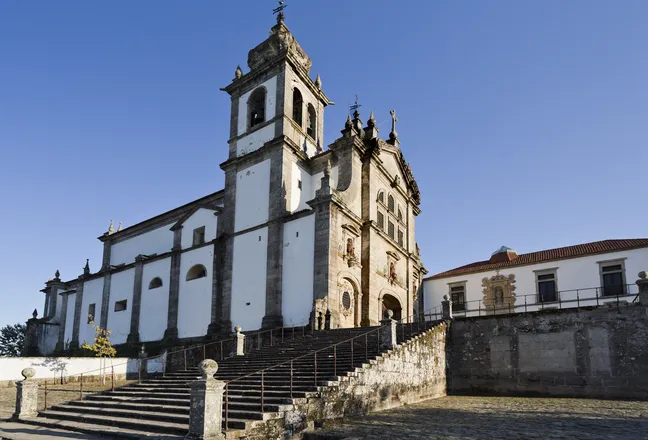
The story of Prince Henry and Queen Teresa touches us, since the latter donated a large amount of land to the monks of the Cluny Order, who founded a new Benedictine Order there in a territory of about 700 hectares, which would be called Couto de Tibães. Those who lived on these lands were exempt from royal taxes, paying instead to the monks (the so-called foros and censuses, annual fees paid in money or goods), which allowed them to accumulate great wealth, which translated, for example, into impressive buildings, as well as the promotion of art. It is no coincidence that the Monastery of São Martinho de Tibães is today a National Monument.
Now, the Minho agricultural estate Caza Nova was geographically located within this Couto de Tibães, having contributed its share to the Benedictine Order. It is not clear at what point the lands ceased to be the property of the monks and became the property of the family that lived and worked them, but everything indicates that it was following the extinction of religious orders decreed in May 1834 by Joaquim António de Aguiar, under the liberal government of D. Pedro IV.
The oldest document we have regarding the original family of this house dates from June 24, 1653: the baptismal record of Sebastião, son of António Giz and Maria Gonçalves, whose godparents were Sebastião and Margarida Giz, from Casa Nova. From then on, the lineage is documented: Sebastião married Francisca Gonçalves and they were the parents of Custódia Ferreiro Gomes, born in 1722. Several generations later, in 1943, Luís Gonzaga Azevedo Soares Coelho was born, father of the current owner of Casa Nova.
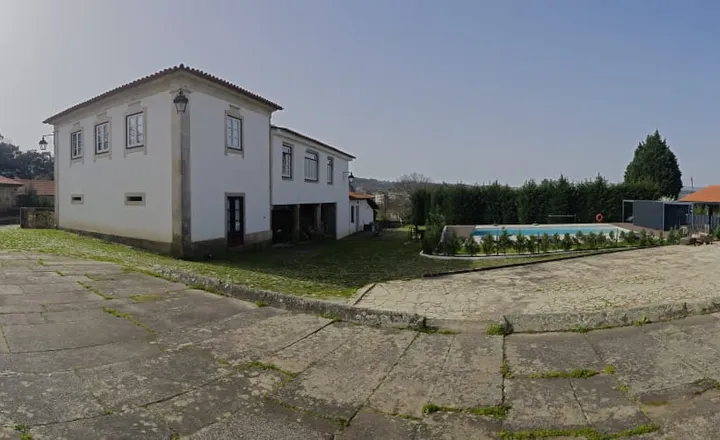
The Project
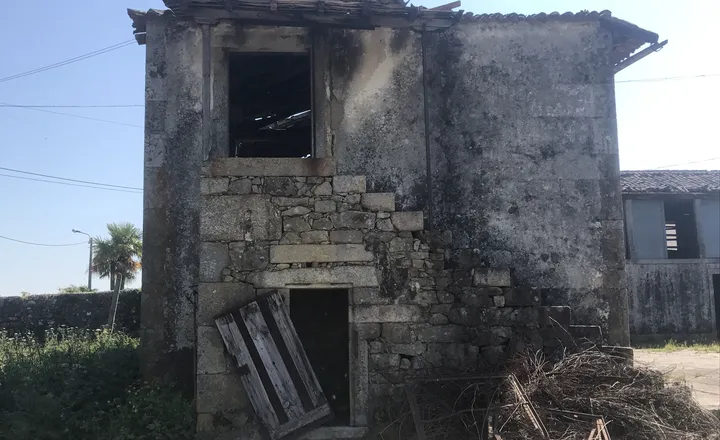
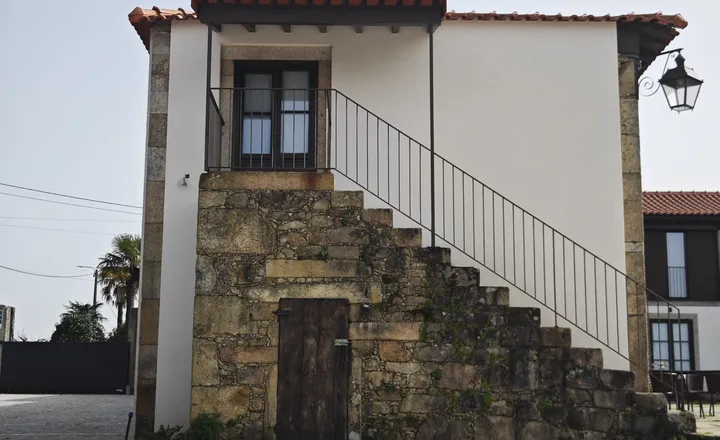
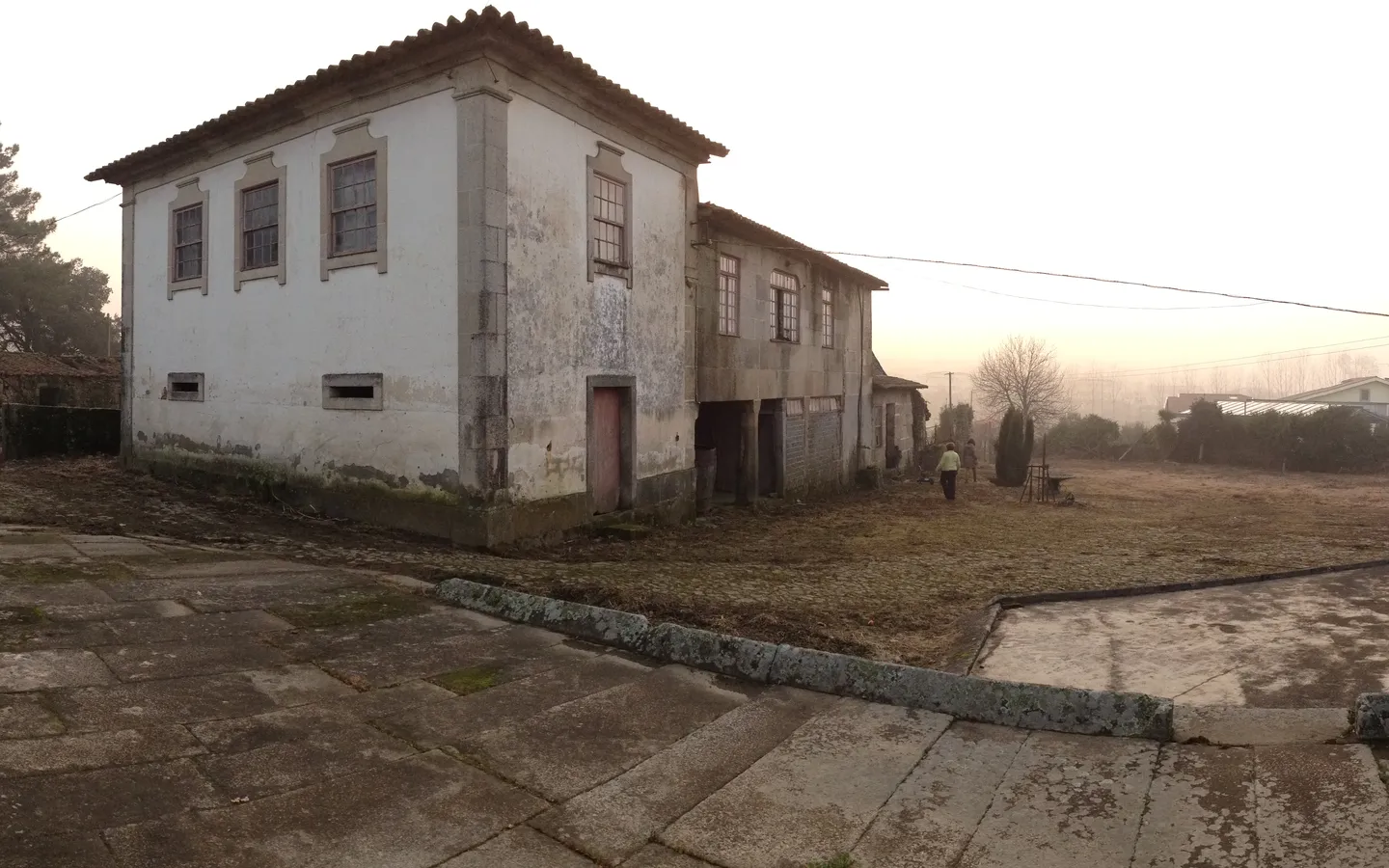
Over the past few decades, CasaNova was uninhabited for 17 years, leaving its mark on both the buildings and the granary. The restoration project was simple: preserve what already existed and create a space of well-being for all who entered. The primary objectives were to ensure comfort in every corner, that light permeated the spaces, and that the aromas of firewood and earth accompanied every moment spent in the house, as well as having places to be, ask questions, learn, laugh, and be in silence.
The great challenge of the project was ultimately just one: not to spoil it. That each new element would integrate with the old, maintaining its own identity, and that the old could continue to exist in a simple way, in its truth. And we are certain that this building continues and will continue, even when we, who rebuilt it and gave it back its life, are no longer here.
CasaNova is constantly renewing itself and continuing its journey, relying on the experiences each new guest brings. A cross-pollination of stories and memories that will build the future of this welcoming property.